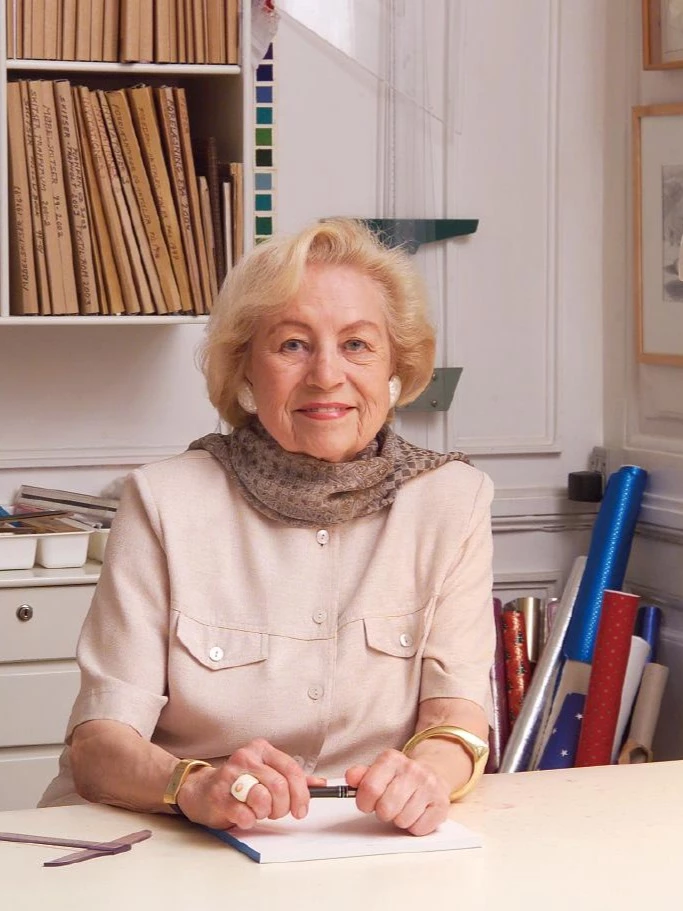
阿希爾.卡斯蒂格利尼
文字:何雯意
Photo:潤舍.生活家居
Text:Winnie Ho
Achille Castiglioni(1918–2002)是二十世紀義大利設計最具影響力的大師之一。自米蘭理工大學畢業後,他與兄長 Livio、Pier Giacomo 共同開啟實驗性的設計旅程,以敏銳的觀察、機智的轉化與極致的機能性著稱。從 Arco、Toio 到 Parentesi,他以簡潔結構重新定義光與物件的可能;Mezzadro、Sella 等作品則展現「現成物」轉化的幽默。除創作外,他亦長年任教於米蘭理工大學,影響深遠。九度奪得金圓規獎、MoMA 永久典藏十四件作品,Castiglioni 以一生推動的克制、機智與實用美學,至今仍塑造著我們理解物件與日常的方式。
如果世界的本質是由無數細節編織而成,那麼 Achille Castiglioni 便是最擅長拆解並重新排列細節的詩人。他以機智為刀鋒,以好奇為羅盤,在平凡之中仔細推敲出微妙的轉折。不僅追求日常物件的極致機能,也以創意為語言,讓設計成為一種理解世界的方式,由此奠定了 Achille 在二十世紀義大利設計史上舉足輕重的地位。
Achille Castiglioni(1918–2002)出生於米蘭的藝術世家,父親是著名雕塑家,兩位兄長 Livio(1911–1979)與 Pier Giacomo(1913–1968)皆投身於建築領域中。自小浸潤於形體、美感與空間語言的他,悄然養成其對物與日常的敏銳度。1944 年自米蘭理工大學建築系畢業後,便與兩位兄長攜手展開產品設計的實驗探索旅程。其中,他與 Pier Giacomo 在 1945 年至 1968 年間的合作,被視為義大利設計界的黃金時代。兩人以獨到的「去蕪存菁」設計哲學聞名,擅於以最精準的構造和簡潔語彙揭示物件的本質功能。這對富有創意的設計搭檔,成功界定二十世紀後半葉義大利設計最具代表性的「趣味性智慧 (playful intelligence)」概念。
Achille Castiglioni (1918–2002) remains one of the most influential figures in 20th-century Italian design. Trained in architecture at the Politecnico di Milano, he worked closely with his brothers Livio and Pier Giacomo, developing a design language grounded in observation, reduction, and a distinctive sense of humor. Their approach—often described as playful intelligence—sought to uncover the essence of an object by stripping away everything unnecessary.

在漫漫的職涯中,Achille Castiglioni 與義大利頂級燈具製造商 Flos 的合作,宛如一盞聚光燈,照亮了他對結構、物件與日常幽默的全部想像。Castiglioni 兄弟為 Flos 設計了一系列劃時代照明作品,更被視為經典之作,這不僅是美學形式上的創新,更是對結構和功能極致探索的成果。他們打破了照明器具的既定印象,建立起一套以光為媒介的思考方式:在極簡的線條裡,藏著力學的精妙;在平凡的材料中,蘊含轉化日常的詩意。於是,光不再只是照明,而成為物件之間的語言,使美、機能與趣味在同一束光下彼此呼應。
This philosophy was most clearly expressed through his long-standing collaboration with Flos. With works such as the Arco lamp (1962) and Toio (1962), the Castiglioni brothers redefined modern lighting by using essential structures to achieve maximum effect. Arco's marble base and sweeping arc bring overhead light without a ceiling fixture, while Toio transforms a car headlamp, telescopic rod, and fishing-rod ring into a refined piece of functional engineering. In Parentesi (1971), developed with Pio Manzù, a simple cable and sliding lamp head become a flexible vertical lighting system, demonstrating Castiglioni's belief that innovation often lies in rethinking everyday mechanisms.


經典作品如 1962 年推出的Toio 立燈,這盞燈展現了 Castiglioni 兄弟對「現成物」的幽默運用。一顆汽車頭燈被巧妙地轉化為主光源,並以可調節的六角鋼管作為支撐,底部再以釣魚竿導環作為結構上的收束。看似皆不相干的現成物,被組構成一盞優雅又富有設計感的照明器具,體現兩人一貫秉持的簡潔與機能至上的理念;1963年推出的 Arco 立燈,藉一塊重達 65 公斤的大理石基座作為配重,支撐著一道優雅的拋物線燈臂,創造出一盞無需天花板固定,以一種近乎懸浮姿態,呈現出光源投射至空間中央的吊燈效果。在這些作品裡,光不只是照明,而是一條理解Castiglion 兄弟設計理念的線索,引導我們透過這些作品,能以兄弟倆的幽默與洞察視角解讀世界。除了照明設計外,他們共同設計的家具作品同樣蘊含著革新理念。例如將自行車座椅和拖拉機座椅元素轉化而來的 Sella 凳子(1957)和 Mezzadro 凳子(1957)等,這些作品將日常零件以機智的方式重新編排,既保留其原生本質,又讓它們在新的情境中展現意想不到的新意。
His furniture designs share the same clarity. Pieces like the Sella stool (1957) and Mezzadro stool (1957) reinterpret bicycle and tractor components, showing how industrial elements can be reframed with precision and wit. Later works such as the Cumano folding table (1981) for Zanotta reveal his ongoing interest in movement, usability, and the elegance of minimal gestures. Beyond his studio practice, Castiglioni was a pivotal educator. Beginning in 1969, he taught industrial design at the Politecnico di Torino and later at the Politecnico di Milano, profoundly shaping generations of designers. His teaching emphasized curiosity, critical thinking, and the idea that each project must "start from zero."


除了活躍於設計創作領域外,Achille 亦是義大利當代設計的重要教育者。1969 年,獲教育部授權於杜林理工大學任教,教授產業藝術設計;其後,又於 1980 年至 1993 年間擔任米蘭理工大學工業設計的全職教授。透過教學,他將自身的設計方法與思考方式延伸至下一代,使影響不僅止於作品,更深入設計文化本身。在設計生涯中,Achille Castiglioni 屢獲殊榮,包括九度榮獲設計界最高榮譽 —— 金圓規獎(Compasso d'Oro)。紐約現代藝術博物館(MoMA)永久典藏其 14 件作品,為 Achille 在全球設計史上的位置劃下無可動搖的注腳。2002 年,Achille Castiglioni 於米蘭辭世。他以一生實踐的機智、克制與實用的設計理念,至今仍深刻影響著當代設計師,也悄然融入人們的日常生活。他留下的不僅是多件經典之作,更是其以一生時間親身建構何為設計思考、何為以物理解世界的方式。
Throughout his career, Castiglioni received nine Compasso d'Oro awards, and fourteen of his works are included in the permanent collection of the Museum of Modern Art (MoMA) in New York. Though he passed away in 2002, his vision—rooted in clarity, restraint, and functional beauty—continues to define the way contemporary designers approach objects, materials, and everyday life.