
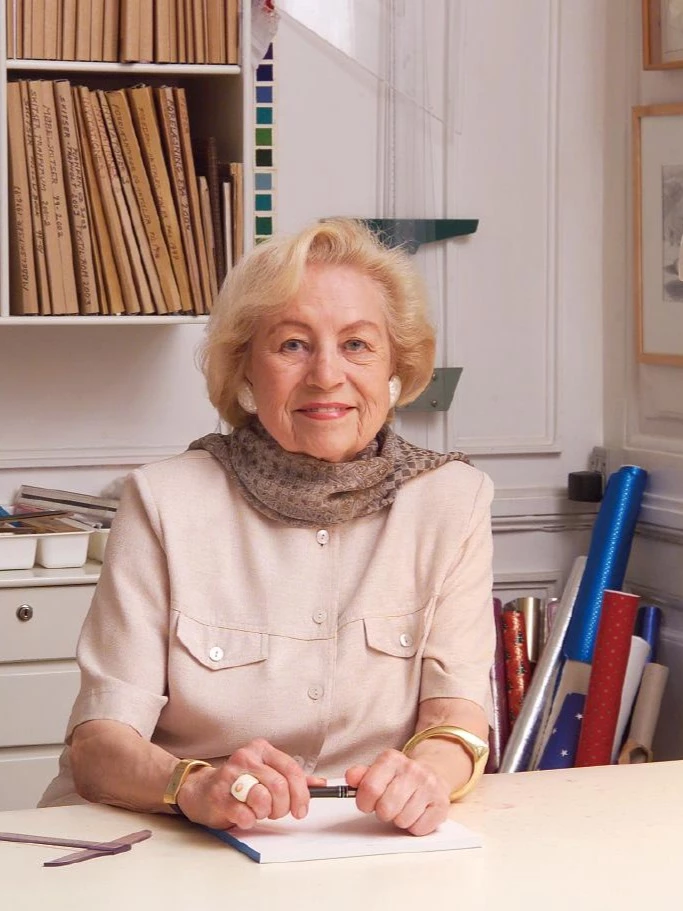
娜娜.迪策爾
出生於哥本哈根的Nanna在進入丹麥皇家美術學院深造前便已受過 專業細木工訓練,這種對材質結構的深刻理解,使她在日後的創作中展 現出極強的技術廣度。1946年她與首任丈夫Jørgen Ditzel共同成立工作 室,兩人成為推動「丹麥現代(Danish Modern)」風格的中堅力量。
Born in Copenhagen, Nanna Ditzel received professional cabinetmaking training before pursuing advanced studies at the Royal Danish Academy of Fine Arts. This profound understanding of material structure allowed her to demonstrate extraordinary technical breadth throughout her career. In 1946, she established a studio with her first husband, Jørgen Ditzel; together, they became pivotal figures in driving the "Danish Modern" movement.
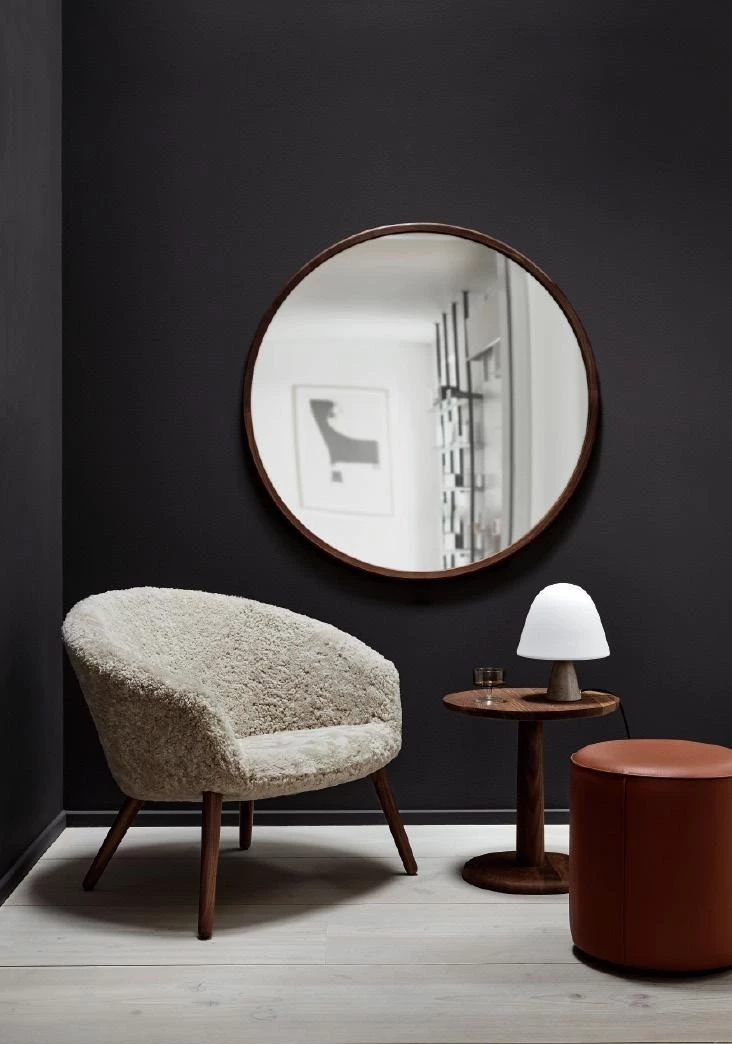
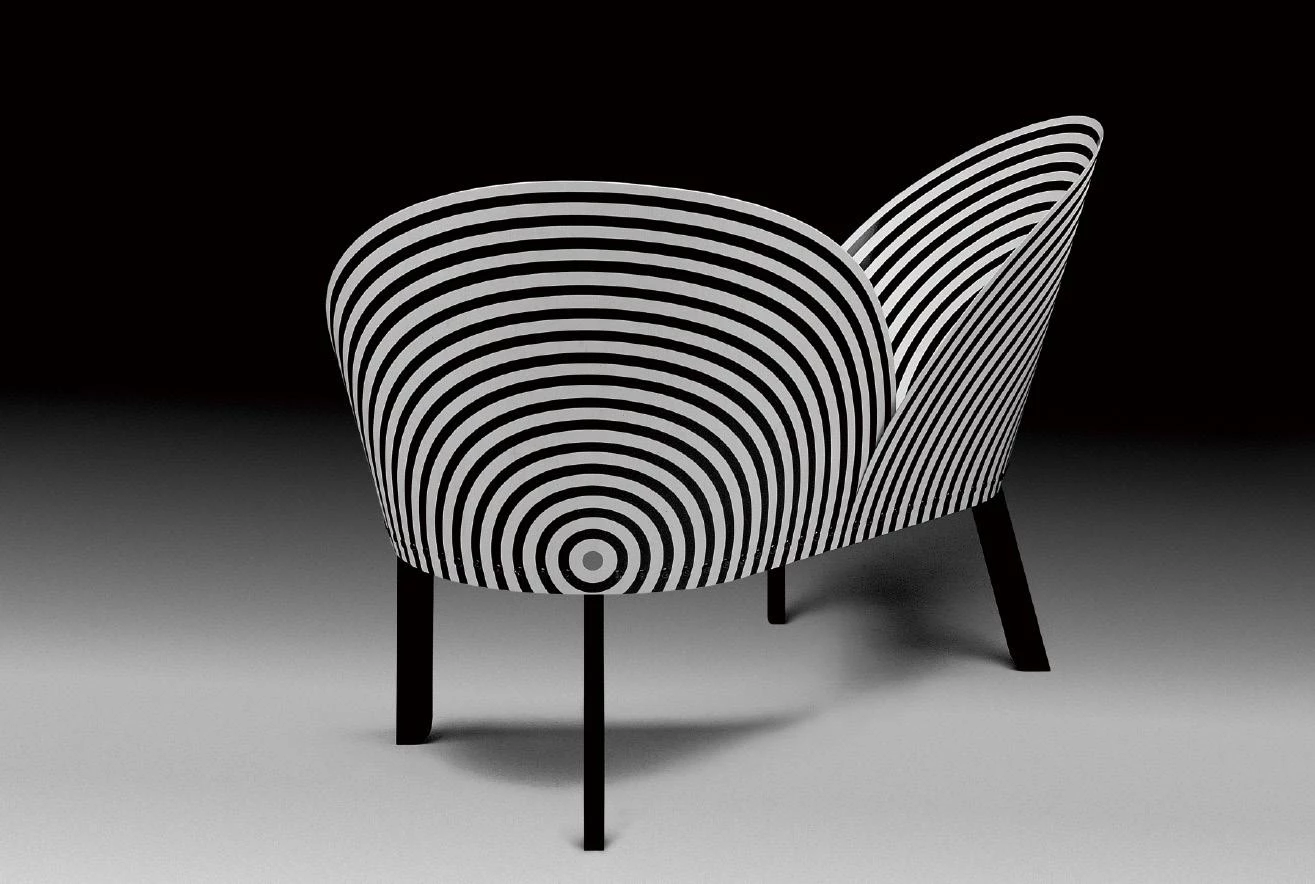
在那個講求功能與簡潔的時代,Nanna並未滿足於傳統木作的溫潤,她更像是一位勇敢的實驗家,在1950年代便大膽嘗試藤編、泡沫橡 膠與玻璃纖維等非傳統材質,將直覺的創造力與深厚的工藝知識融合。 1959年問世的「吊蛋椅(Hanging Egg Chair)」便是此時期的巔峰之作,徹底打破了椅凳必須穩立地面的陳規,以雕塑般的蠶繭造型創造出充滿安全感的私密空間。1961年Jørgen的猝逝是Nanna人生的重大轉折,但在這段艱難時期,她展現了極強的韌性與獨立精神。1968年她與第二任丈夫Kurt Heide移居倫敦,共同創立了名為「Interspace」的展廳。在那段被稱為「搖擺倫敦(Swinging London)」的歲月裡,這座展 廳成了創意匯聚的中心,Nanna在此深受1970年代充滿活力的流行文化啟發,創作出色彩繽紛、充滿律動感的織品系列。這段旅居國外的經歷進一步拓寬了她的國際視野,使她的設計不僅保留了丹麥設計的精髓, 更融入了更為大膽、實驗性的文化底蘊。
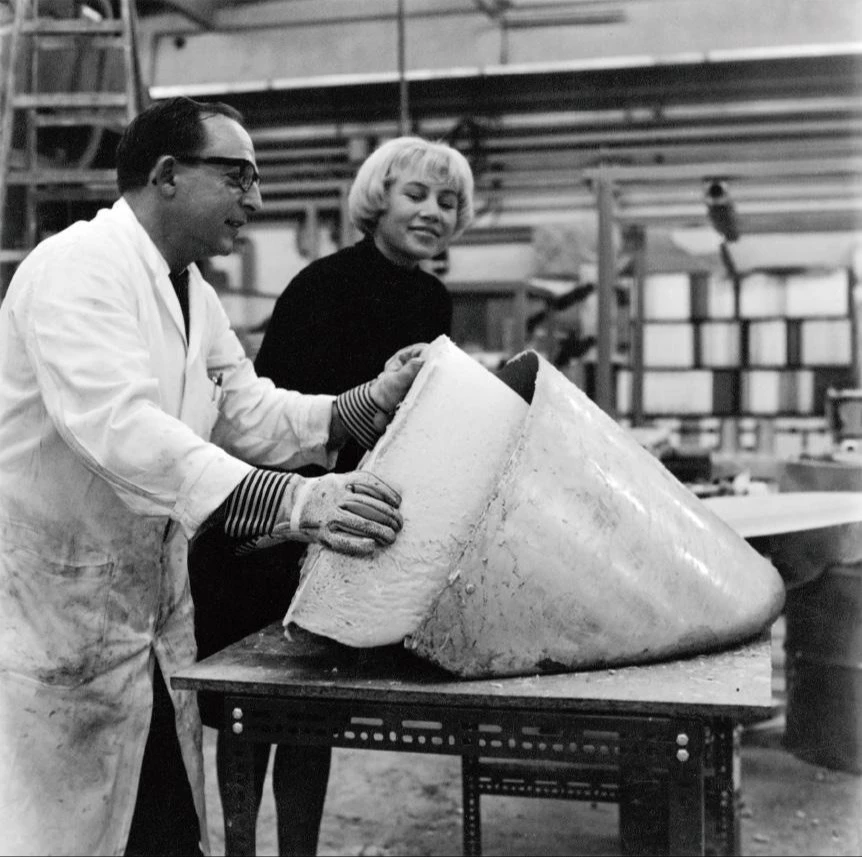
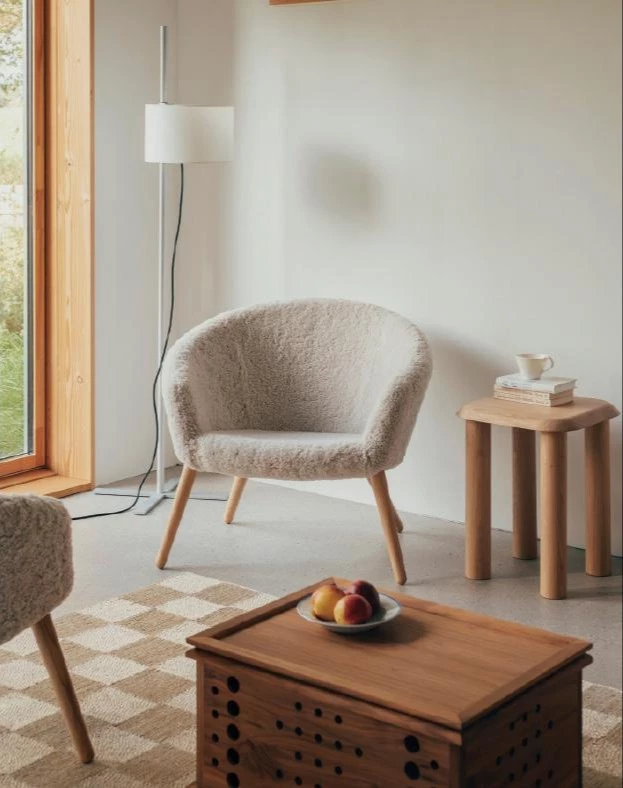
In an era that prioritized functionality and simplicity, Nanna was never content with the warmth of traditional woodwork alone. Instead, she acted as a courageous experimentalist, boldly exploring non-traditional materials such as wicker, foam rubber, and fiberglass during the 1950s—merging intuitive creativity with deep technical expertise. Her 1959 masterpiece, the "Hanging Egg Chair," was the pinnacle of this period. It shattered the convention that chairs must be firmly grounded, using a sculptural, cocoon-like form to create a private space filled with a sense of security. The sudden passing of Jørgen in 1961 marked a major turning point in Nanna's life, yet she demonstrated immense resilience and independence during this difficult time. In 1968, she moved to London with her second husband, Kurt Heide, where they co-founded the showroom "Interspace." During the "Swinging London" era, this showroom became a hub for creative exchange. Inspired by the vibrant pop culture of the 1970s, Nanna created colorful, rhythmic textile collections. Her years abroad further broadened her international perspective, ensuring her designs retained the essence of Danish craft while incorporating a bolder, more experimental cultural depth.
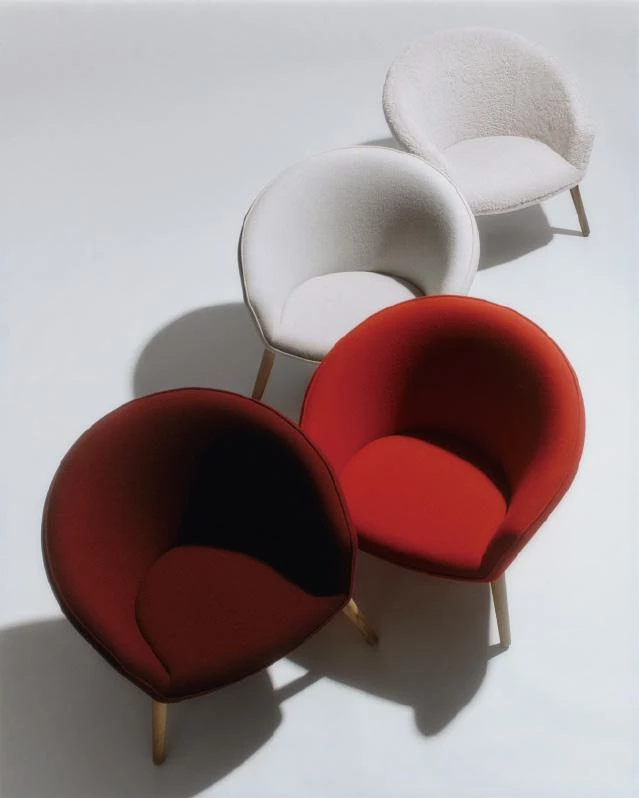
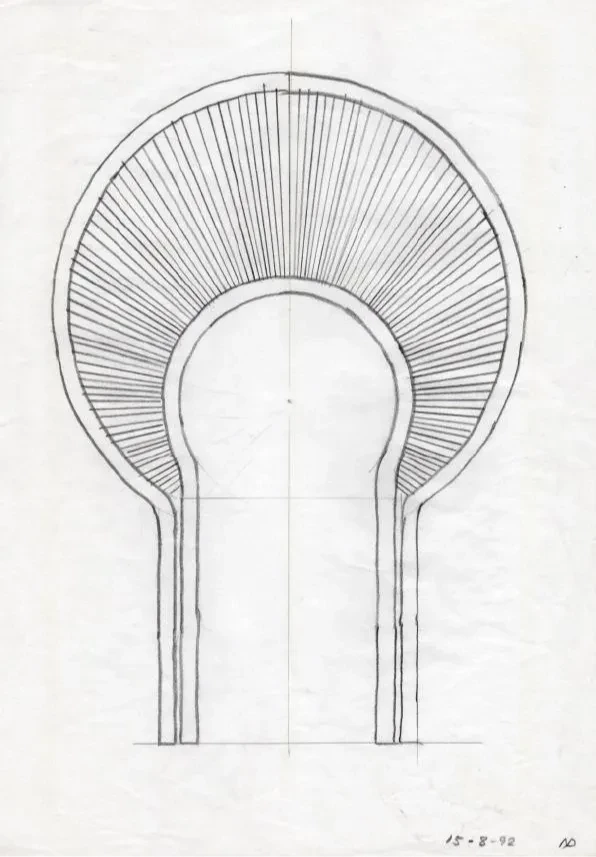
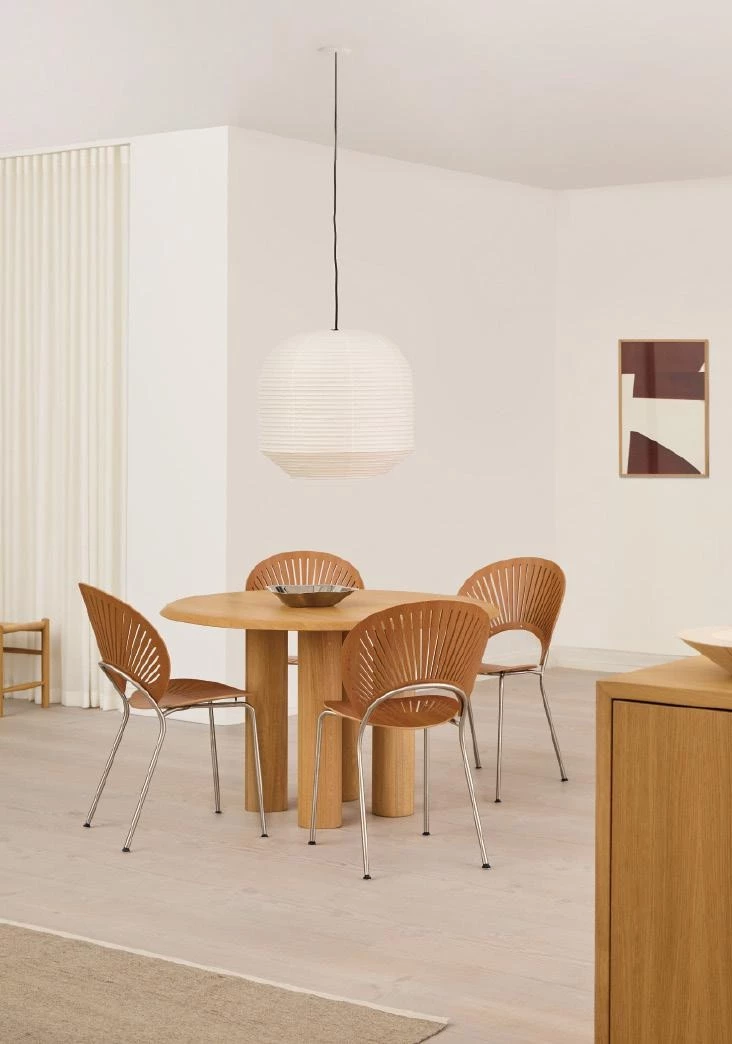
1987年重返哥本哈根並重新建立工作室後,這位設計界的傳奇並未隨歲月老去,反而迎來了創作生涯的第二次高峰。在七十歲高齡之際,Nanna Ditzel依然維持著遊戲般的玩心與對新科技的渴望。她與 Fredericia Furniture合作推出的「翠尼達椅(Trinidad Chair)」及「貝殼椅(Seashell Chair)」,證明了她始終走在時代尖端。特別是翠尼達椅,她利用當時領先的CNC技術在膠合板上刻劃出鏤空圖騰,將高科技與工藝美學無縫接軌,陽光穿透椅背形成的蕾絲陰影,再次震撼了 當時已趨於保守的丹麥設計界。Nanna的貢獻不僅是典藏於紐約MoMA 等世界各大博物館的名作,更是她那份將卓越決心與形式功能完美統一的精神。她對「人」與「空間」關係的敏銳洞察始終如一,從與Georg Jensen合作的簡潔珠寶,到與Kvadrat合作、產業標竿的Hallingdal織 品,無不體現其設計深度。
Upon returning to Copenhagen and re-establishing her studio in 1987, the design legend did not fade with age; instead, she reached a second creative peak. Even in her seventies, Nanna Ditzel maintained a playful spirit and a hunger for new technology. Her collaborations with Fredericia Furniture, which produced the "Trinidad Chair" and the "Seashell Chair," proved she remained at the cutting edge. For the Trinidad Chair specifically, she utilized then-pioneering CNC technology to carve fretwork patterns into plywood—seamlessly merging high-tech precision with artisanal aesthetics. The lace-like shadows cast by sunlight through the backrest once again shocked a Danish design scene that had grown somewhat conservative.
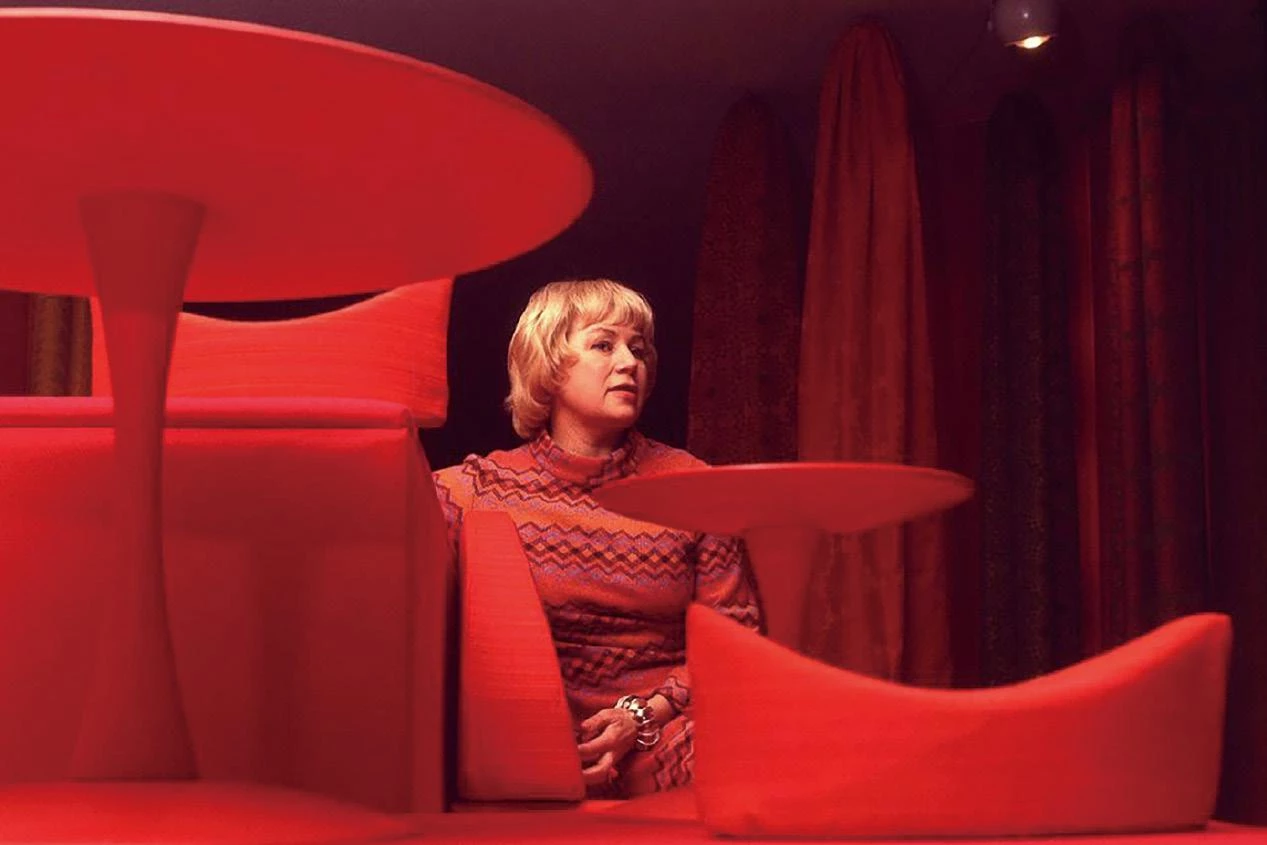
正如她所言:「生活應該盡可能地令人愉悅。」這位被後世稱為設 計界「龐克女性」的巨匠,用一生的創作實踐了這份哲學,證明了好的 設計不僅能跨越國界,更能戰勝時間,持續啟發著每一代追求美與自由 的靈魂,也提醒了我們,要永遠對生活保持那份玩心與講究。
Nanna's legacy consists not only of masterpieces housed in world-class museums like MoMA but also her spirit of unifying unwavering determination with form and function. Her keen insight into the relationship between "people" and "space" remained constant—from her minimalist jewelry for Georg Jensen to the "Hallingdal" textile for Kvadrat, which remains an industry benchmark today.
As she famously said, "Life should be as pleasant as possible." Known to posterity as the "Punk Lady" of design, she practiced this philosophy through a lifetime of creation, proving that great design transcends borders and triumphs over time, continuing to inspire every generation seeking beauty and freedom. It is a gentle reminder to always live with playful curiosity and exquisite grace."
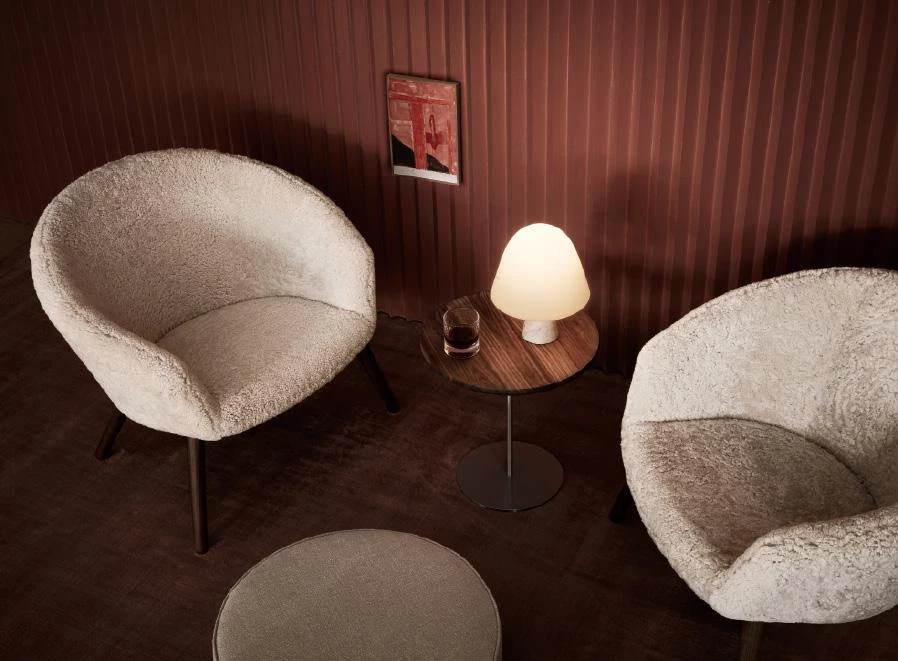
影像: 築意名品家飾
文字:黃品嘉
核稿:陳宗瑩
Photo:築意名品家飾
Text:Pin Huang
Review:Jason Chen


