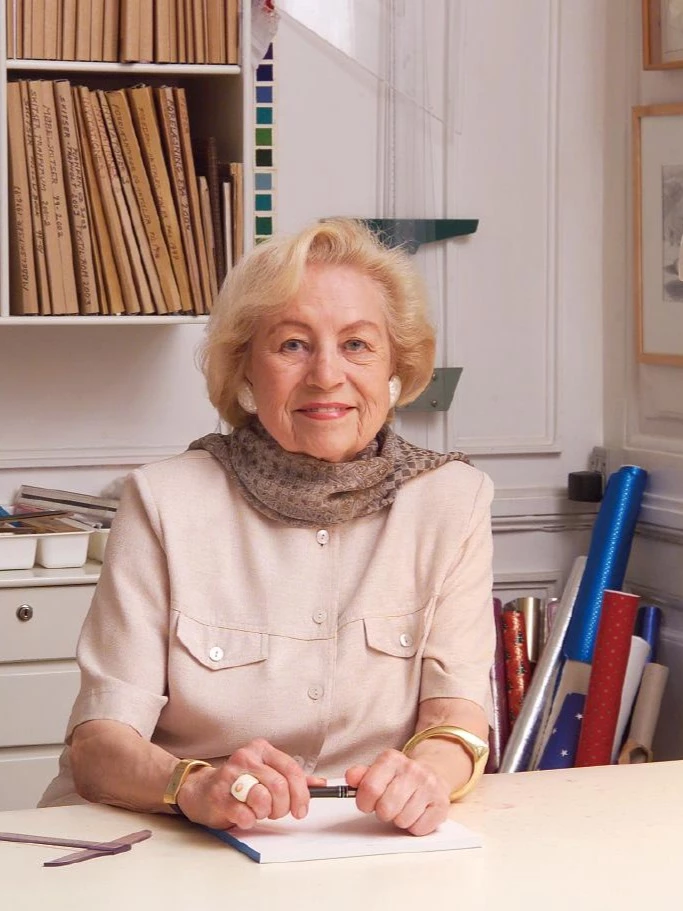
傑拉維・宏沙庫
採訪:蘇新婷 文字:蘇新婷
Photo:IDIN Architects
Interview:Chloe Su Text:Chloe Su
Jeravej 在成立 IDIN 建築師事務所之前,已累積數年的建築實務經驗。IDIN 的設計理念核心,在於融合多重「自然」:包括生態環境、都市脈絡,以及使用者的個性,進而與建築美學對話,形塑空間。這樣的思維也體現在事務所名稱「IDIN」中,意即 Integrating Design Into Nature(將設計融入自然)。多年來,IDIN 建築師事務所屢獲國內外設計大獎的肯定,包含泰國的 ASA 建築獎與 TIDA 設計獎,以及國際獎項如 Arcasia Awards for Architecture、GOOD Design Award、Prix Versailles 南亞與太平洋地區獎、The Plan Award 與 Architizer A+ Awards 等。除了事務所的專業實踐之外,Jeravej 亦積極參與建築界發展,常以評審與講者身份,受邀參與泰國與海外的設計競圖、建築院校課程與專業論壇。
細數 IDIN 建築師事務所作品,語彙既清晰又精準,或與地貌相融,或突出於景觀之中。若將其比喻為料理佳餚,創辦人 Jeravej Hongsakul 便是以自然元素為上好食材、以幾何線條為烹調手法,再將光影視為佐料,最終成就一道讓人回味無窮、滿足視覺與心理饗宴的珍膳。宛如地景藝術的建築外觀,以及洋溢自然氣息的空間編排,讓 IDIN 建築師事務所的作品在國際舞台上大放異彩、屢獲殊榮,而 Jeravej 更是將「建築師」視為與生俱來的使命。這份堅定不移的信念,早在他十二歲時便已悄然種下。
A closer look at IDIN Architects' works reveals a design language that is both clear and precise—at times blending seamlessly into the landscape, and at others, standing out in striking contrast. If their work were a gourmet dish, founder Jeravej Hongsakul would be the chef who uses natural elements as his finest ingredients, geometric lines as his culinary technique, and light and shadow as delicate seasonings—together creating a feast that lingers on the senses, satisfying both the eyes and the soul. IDIN Architects' projects have shone brightly on the international stage, earning numerous accolades. For Jeravej, being an architect is more than a profession—it's a calling. This unwavering belief quietly took root when he was just twelve years old.

Jeravej 從小熱愛繪畫,對科學懷有無盡好奇。無論是愛因斯坦的相對論,或古人如何計算光速的方式,都讓他著迷不已。十二歲那年,他偶然看見一張法蘭克・洛伊・萊特《落水山莊》的照片——那是一棟橫跨瀑布之上的建築,與自然融為一體。如詩如畫的景致深深觸動了他年幼的心靈,Jeravej 興奮地拿著照片詢問老師:「如果我想蓋出這樣的房子,應該讀什麼科系?」老師告訴他:「你必須成為一名建築師。」
As a child, Jeravej was drawn to both science and art. His imagination soared from Einstein's theories to ancient attempts at measuring light. But the turning point came when he stumbled upon a photo of Frank Lloyd Wright's Fallingwater—a house that spanned a waterfall and appeared to grow from the earth itself. Awestruck, he brought the image to a teacher and asked what one must study to create such a place. The answer was simple: architecture. Though he knew little of the profession at the time, something clicked. Over the years, he came to see architecture as the perfect convergence of logic and beauty, structure and spirit. By the time he declared it as his college major, the choice felt less like a decision and more like a quiet arrival—an alignment with something he'd been moving toward all along.


雖然當時對建築知之甚少,但從那時起,他在心中種下了「成為建築師」的夢想。在求學路上,Jeravej 發現,建築是藝術與科學的完美結合,是一種既需邏輯又富美感的創作方式。當他如願以償地以此作為大學主修時,那份篤定與悸動使他確信——這就是我真正想做的事。
Over the years, he came to see architecture as the perfect convergence of logic and beauty, structure and spirit. By the time he declared it as his college major, the choice felt less like a decision and more like a quiet arrival—an alignment with something he'd been moving toward all along.


某天,Jeravej 在家中陪伴祖母時,一陣涼風悄然吹過,空氣中頓時瀰漫一股清新宜人的氛圍。「那一刻,我萌生了想要把這種自然感受帶進建築的念頭。」浮現他腦中的詞彙,即是「IDIN」——在泰語中,意指「雨後從土壤中升起的蒸氣」,一種清新、質樸且讓人感到親切的自然現象。懷抱這股靈感,Jeravej 賦予 IDIN「Integrating Design Into Nature」的概念,其中 Nature 不單純指自然環境,更涵蓋各專案的既有條件與脈絡,甚至包括與人之間的互動,將上述所有轉化為設計語彙,是 IDIN 一以貫之的核心精神。
Years later, while sitting quietly with his grandmother, a gentle breeze rolled in—fresh, calming, and grounding. In that fleeting moment, a name came to him: IDIN. "I felt this name captured the essence of Thai culture and resonated deeply with the tropical atmosphere we know so well," he recalls. "It also reflected the harmony between architecture and nature within our environment." Jeravej later expanded the concept into "Integrating Design Into Nature", redefining "nature" to encompass not only the natural environment but also each project's constraints, context, and the human experience. This philosophy emphasizes the value of simplicity and authenticity—qualities rooted in the uniqueness of each setting. These are the very elements the studio strives to honor and express through its design.

每當人們談及 IDIN,往往先是讚嘆那清晰新穎、充滿自然韻味的外觀,Jeravej 亦期望大眾能同時將目光投向內部的空間安排。他引用老子的話:「埏埴以為器,當其無,有器之用。」他認為,建築如器皿,而器皿的本質是「空無」,方能發揮承裝的功能;同樣地,建築作為承載人與生活的器皿,其價值不僅止於外觀形象,而在於如何被使用、被感受。「當你走進一座建築時,你記得的是它的器型,還是器中之空?如果裝飾過於繁複,是否反而掩蓋了它作為器皿的本質?」因此,IDIN 極度重視平面與剖面的精細規劃。他們相信,唯有當空間真正契合使用者需求,並引導一種流暢且愉悅的體驗時,建築才能發揮本質功能。
While people often praise IDIN Architects for their clear, innovative designs imbued with natural sensibility, Jeravej hopes the public will also look into the spatial arrangements within. Quoting Lao Tzu, he says, "We shape clay into a pot, but it is the emptiness inside that holds whatever we want." A building, he believes, is a vessel. Its true value lies not in its shell, but in the life it holds. "Sometimes," he adds, "a pot with overly beautiful patterns might make us forget the true purpose of the pot." This philosophy informs every plan and section IDIN draws, where function, flow, and feeling quietly take precedence over decoration.


談及空間規劃,Jeravej 有一套不易察覺卻廣泛適用的祕訣:順應日照路徑配置空間。在泰國,陽光自南方灑落,南側幾乎終日曝曬,午後與傍晚則由西側最為炙熱。「我常將不需長時間使用的空間,例如樓梯,安排在陽光最強的位置,使其形成一道自然的隔熱緩衝層,減少熱能進入室內。同樣地,我也習慣將浴室設於西側,藉由午後陽光加速除濕,提升使用舒適度。」看似細微的操作,對於同處熱帶的台灣而言,極具參考價值。
When it comes to spatial planning, Jeravej follows a subtle yet widely applicable principle: aligning layouts with the path of the sun. In Thailand's sweltering heat, he positions stairs and less-used rooms along sun-heavy south and west walls, forming passive cooling buffers. Bathrooms placed in the west dry quickly in the afternoon sun. These subtle strategies offer inspiration for similar climates like Taiwan.


有趣的是,IDIN 團隊曾盤點各項作品的選材,發現最頻繁使用的材料竟是特質迥異的「木頭」和「鋼鐵」。Jeravej 解釋,木材代表自然、溫潤與親近感;鋼鐵則象徵工業、剛硬與理性。兩者一柔一剛、一輕一重、一自然一人造,彼此對比鮮明,卻也能交織出一種動人的平衡與張力。且當它們與混凝土結合,則更進一步形塑出建築的穩定性與力量感,豐富了整體空間的語彙。
Interestingly, the IDIN team once reviewed the materials used across their projects and found that the most frequently featured were two seemingly contrasting elements: wood and steel. Jeravej explains that wood represents nature, warmth, and a sense of intimacy, while steel symbolizes industry, strength, and rationality. One is soft, the other hard; one is light, the other heavy; one is natural, the other man-made. Though starkly different, the two materials come together to create a compelling balance and tension. When combined with concrete, they further enhance the architecture's sense of solidity and strength, enriching the spatial language as a whole.

在 Jeravej 看來,一件完美的建築作品,必須從簡單而清晰的思考開始,針對問題給出直接、明確的回應。他相信,唯有這樣的邏輯推演,才能自然引導出無需過多修飾、卻擁有自我語言的形式與美感,同時盡可能減輕對自然的負擔。「對我來說,好的建築不只是視覺上的存在,更應實際提升生活品質。」這正是他所追求的建築價值:在形式與本質之間,找到恆久的平衡。
To Jeravej, great architecture begins with clarity and simplicity. When design responds directly to real needs, without excess or ornament, it naturally takes on a language of its own—subtle, purposeful, and quietly beautiful. He believes that true architectural excellence lies in solving problems with precision while remaining attuned to its surroundings, minimizing environmental impact. "Architecture," he reflects, "should start with a simple thought process and clear, straightforward solutions." It is in this honest, thoughtful approach that he finds a lasting balance between form and essence.