葡萄牙特羅法 PPA住宅

本案位於一個狹窄弧形交叉路口,設計團隊依據周邊坡度調整地勢,使其高於街區地面一公尺。該區正處於城市轉型中,因此保有鄉村風貌,又同時混和都會元素,並有多樣的景觀。設計師希望住宅能和周圍環境和諧融合,因此精心設計街區前沿長度、基地幾何形狀及建築面積的比例,使新建築自然融入此地。
The site is situated at a curved corner with a steep incline, approximately 1.0 meters above street level, following the natural slopes of the surrounding roads. This location lies in an area undergoing transition, where rural elements blend with scattered urban features. The plot is part of a housing development, designated for a single-family dwelling with three bedrooms and covered parking. A primary design consideration is the relationship between the street frontage and the site's geometry.


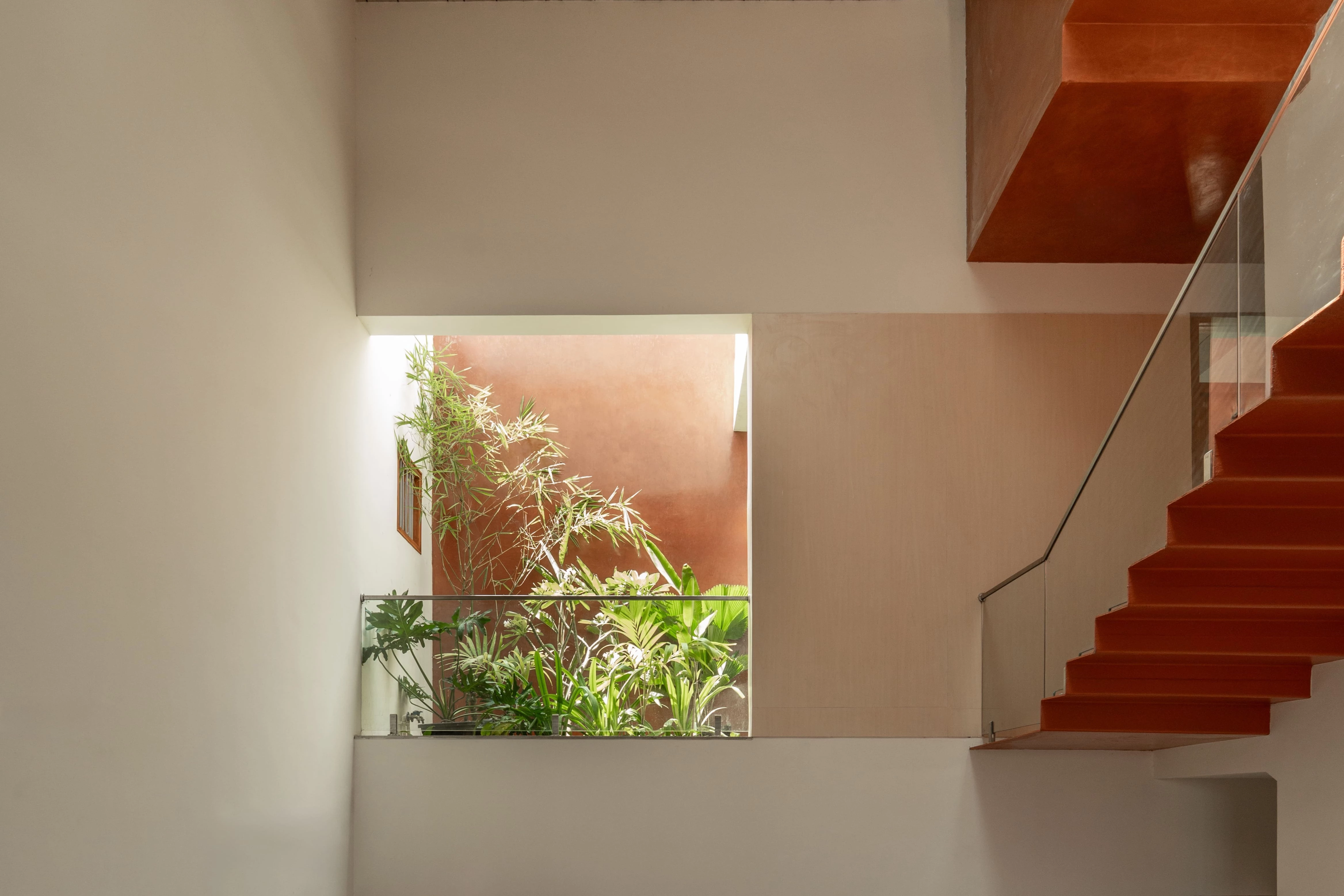
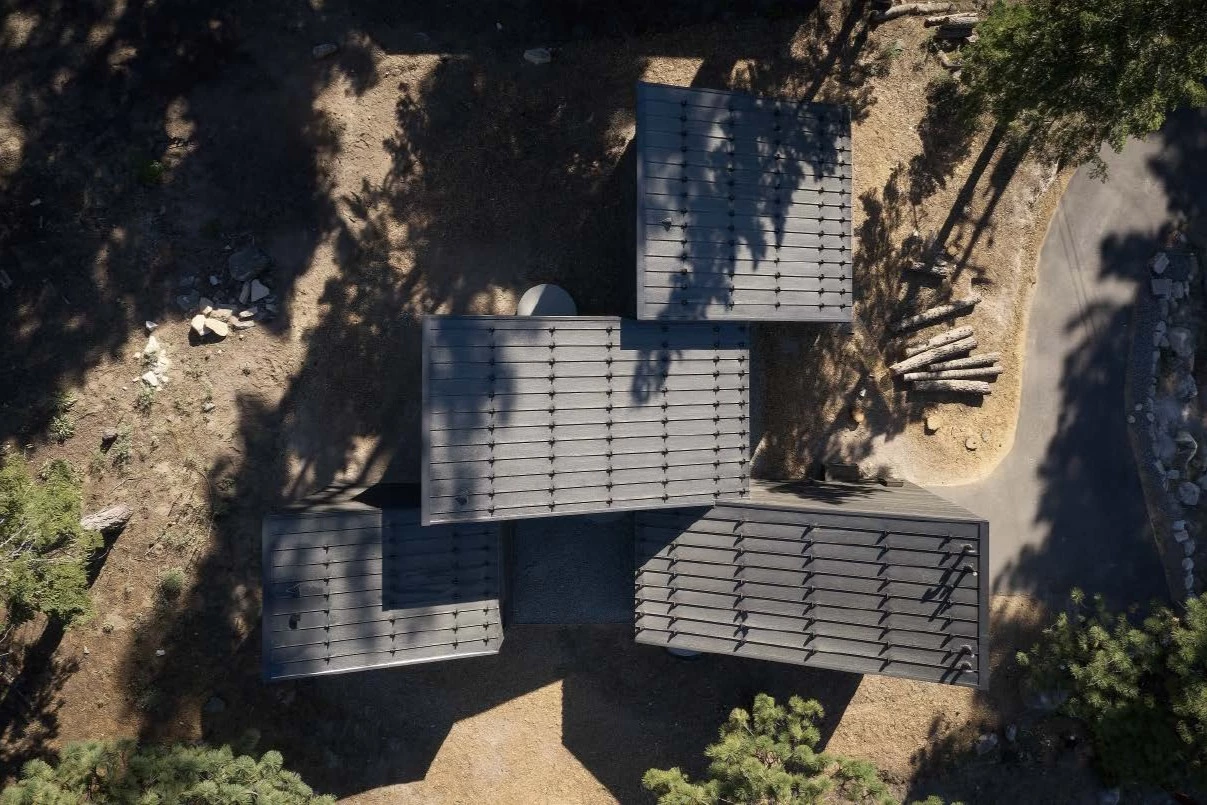
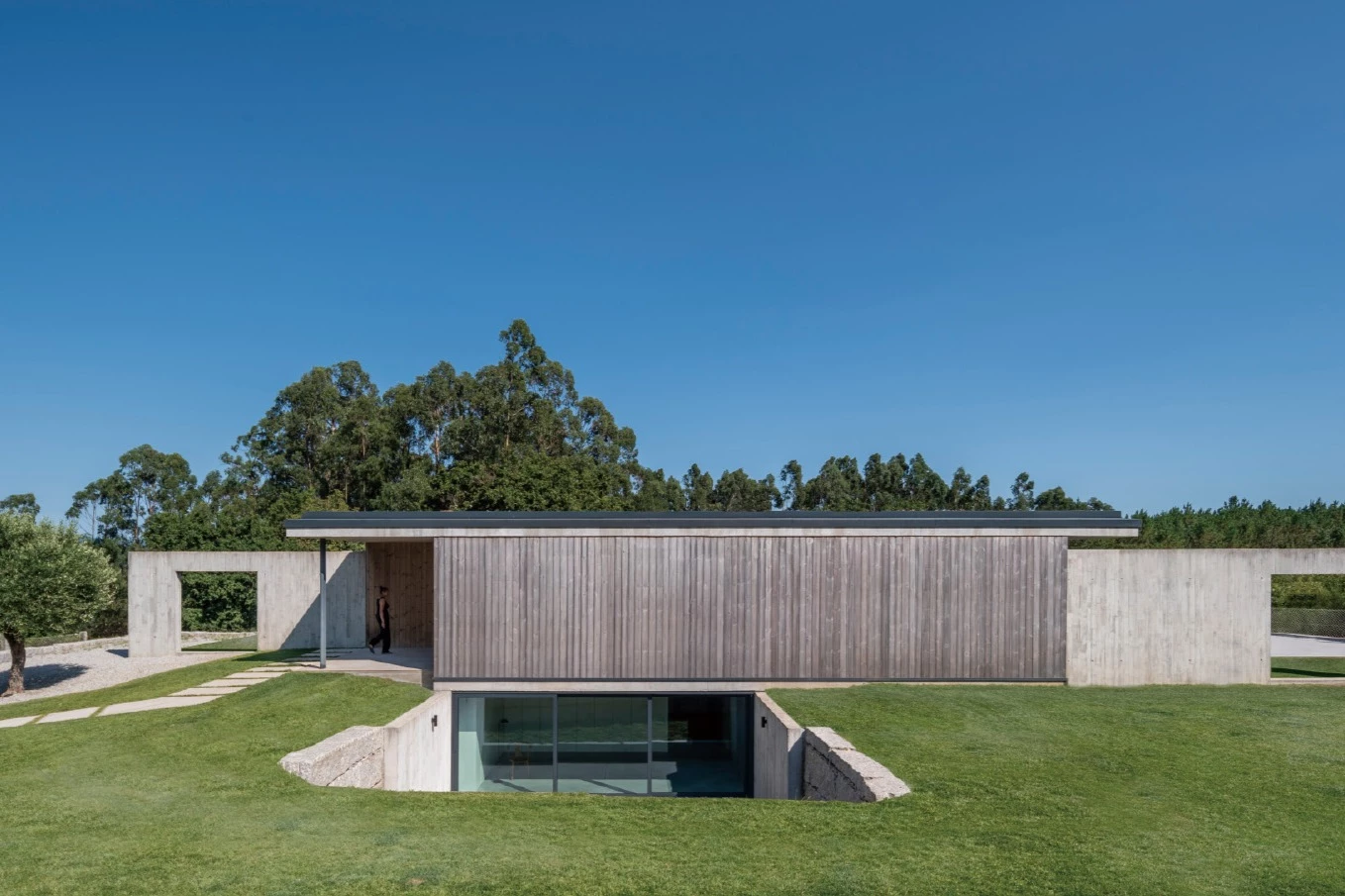
住宅採單層設計,擁有三間臥室和停車棚,結構為不規則多邊形,與周圍道路平行,並規劃一座方形庭院。整體布局分為三大區域:西南面向公共區域、北側朝向中庭的臥室區、南側車庫區。主要起居與公共空間圍繞庭院而建,庭院提供社交空間並有遮蔽外廊,避免氣候影響。


The house features a single-story, irregular polygonal layout, centered around a private courtyard. The program is organized into three distinct zones: the social area, oriented southwest towards the corner; the bedroom wing, which opens to the courtyard; and the covered parking area, which shields the southern exposure while opening to the west.

客餐廳、廚房及用餐區無縫連接,廚房櫃體高達 2.1 米,兼具區分內外領域和通向儲物間、洗衣間的功能。私密區域包含主臥室及更衣間,並有兩間共用浴室的臥室。
Living spaces are arranged around the central courtyard and sheltered by a covered exterior gallery. The social area flows seamlessly into the kitchen and dining spaces.The kitchen, with 2.1-meter-high cabinets, serves as a divider between the common spaces, providing access to the pantry and laundry room. The private wing includes two bedrooms sharing a bathroom, alongside a master bedroom with a dressing area and en-suite facilities.


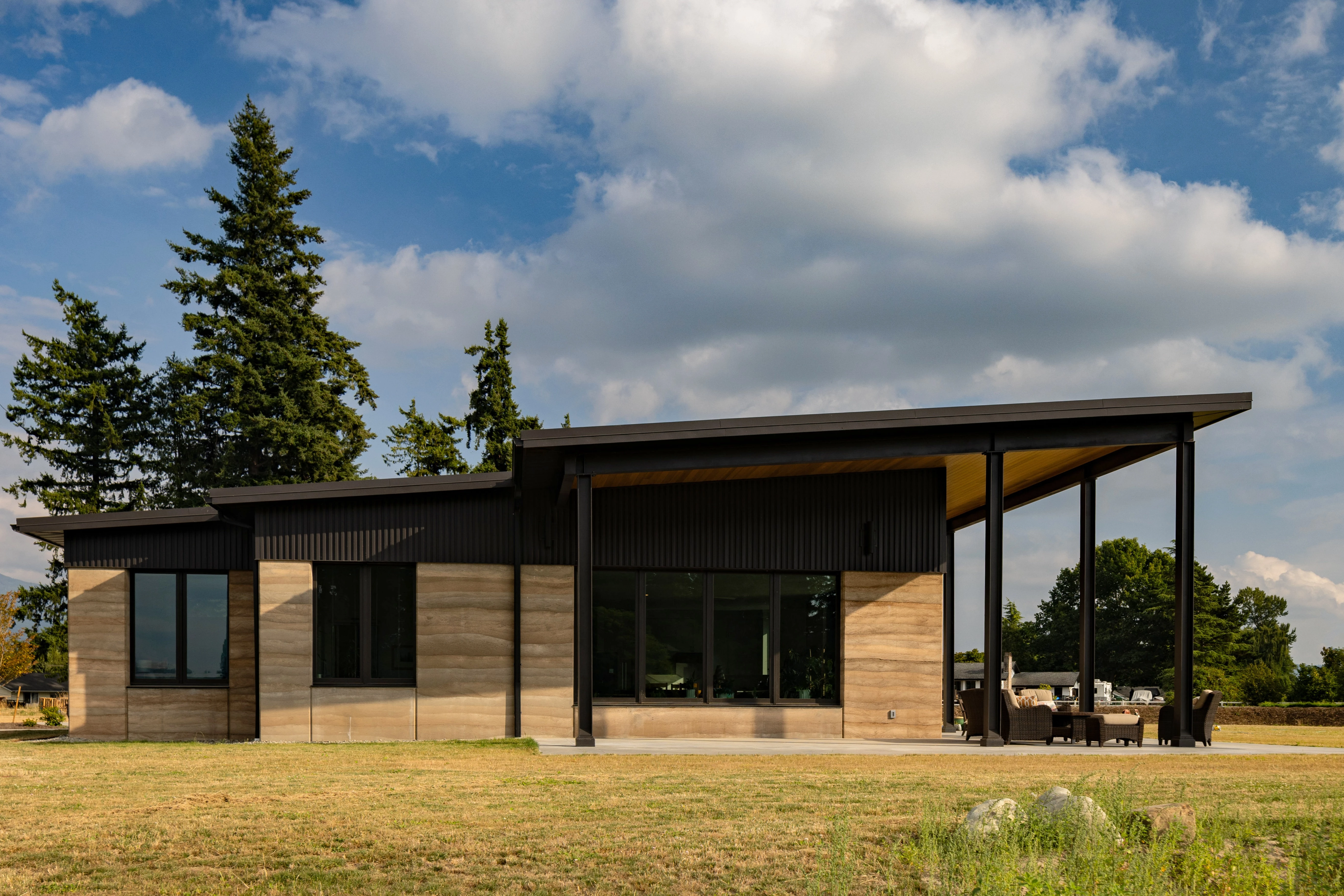
在設計上,此案兼顧永續性與預算,關注建築老化、氣候影響及效率等需求。住宅管線巧妙隱藏,地暖嵌入地板中,結構牆及層板保留原始混凝土質感,其餘牆面則以經濟實惠的抹灰料裝飾。外立面採用外部熱隔離複合系統(ETICS),天花板選用石膏板,便於後期維護。
Sustainability is a key focus of the design, with an emphasis on economic and life cycle considerations. The project addresses aging, climate resilience, energy efficiency, safety, ecology, and inclusivity. The structure features exposed concrete walls and slabs, with plastered masonry on other interior walls. The facades are equipped with an External Thermal Insulation Composite System (ETICS) to enhance energy efficiency, while plasterboard ceilings ensure cost-effectiveness and ease of maintenance. The heating system is integrated into the flooring, offering both comfort and energy efficiency.

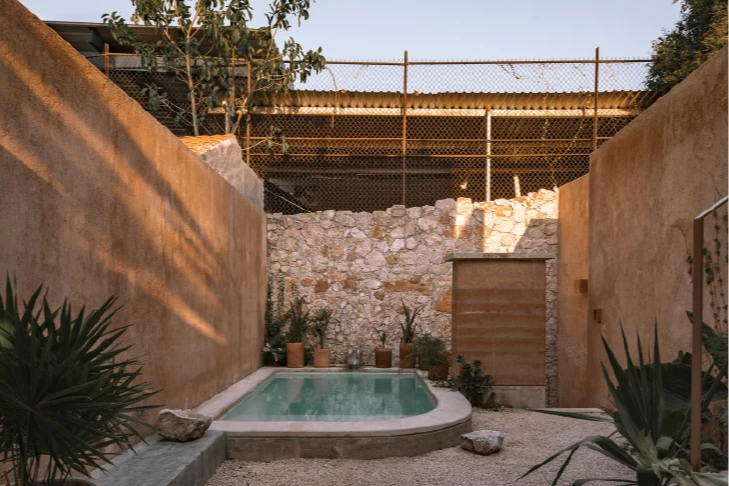
戶外地面鋪設當地花崗岩,牆面使用自然元素,減低視覺存在感,並融入原生植物,綠化環境。
Outdoor floors and stairs are paved with locally sourced granite blocks, while the walls are enveloped in natural materials. Endemic plants are seamlessly incorporated into the landscape design, further connecting the dwelling with its environment.

主要建築師:何塞.卡洛斯.努內斯.德奧利維拉(合作建築師)斯魯西.拉金塞蒂 格洛麗亞.赫蘭茲 朱莉婭.弗洛蒂 比阿特麗斯.加波
專案經理:薩拉.比托西 蓋亞.費拉里斯
結構工程:約翰.瑪麗.奧維拉
建築面積:357.7平方公尺
主要材料:混凝土
主要結構:混凝土
座落位置:葡萄牙特羅法
影像:約翰.莫加多
文字:NOARQ
採訪:張薰云
Principal Architects:José Carlos Nunes de Oliveira (collaborator architects) Sruthy Lakkimsetty.Gloria Herranz.Giulia Furlotti.Beatriz Gapo
Project Manager:Sara Bitossi.Gaia Ferraris
Structural Engineering:João Maria Sobreira
Building Area:357.70 ㎡
Principal Materials:Concrete
Principal Structure:Concrete
Location:Trofa, Portugal
Photos:João Morgado
Text:NOARQ
Interview:Hsun Yun Chang
NOARQ is the name of a willingness of doing and thinking by hands. Since 1998, the studio evolved into an area of research, creation and production by drawing: for the land, architecture and everyday objects. Today it is located in Trofa, but it still maintains its roots in Porto.